


Fix 'Errors Have Been Detected in the OST File' in Outlook
If the mailbox is healthy, closing Outlook and letting it rebuild the OST from the server is Microsoft's recommended fix, not ScanPST or a new profile.
Preserve a copy of the old OST first if it might hold data that never synced to the server. Recover that data with EdbMails only when the old OST itself is the source you need.
If you use Microsoft Outlook to manage your emails, you might come across the error message ‘Errors have been detected in the OST file’. This issue can prevent Outlook from opening your mailbox properly or accessing email, calendar, and contact data. It indicates that Outlook has detected a problem in the local data file. The steps in this guide are for classic Outlook for Windows.
The OST file is essential for enabling offline access to your mailbox and maintaining synchronization with the Exchange server. If this file becomes damaged or inaccessible, Outlook may stop syncing new messages or, in some cases, fail to launch altogether. Resolving this issue and restoring mailbox access requires a dependable approach to repair the OST file or convert it into a usable format.
EdbMails OST to PST Converter is built for the case where the old OST itself is the data source you need to recover, for example, when the original mailbox is no longer available. It scans damaged OST files, recovers readable mailbox items while preserving supported folder hierarchy and properties, and converts the data into PST format for import into Outlook. In the following steps, we'll walk through resolving the error, starting with Microsoft's own recommended fix.
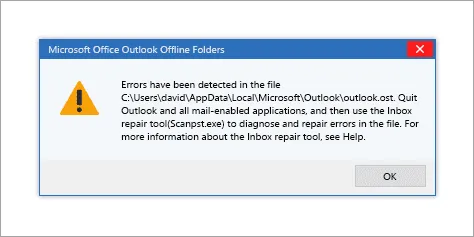
Now, when you try to access your email account on Outlook, you may get the following error message:
Errors have been detected in the file C:\Users\Username\AppData\Local\Microsoft\Outlook\username@email.com.ost. Quit Outlook and all mail-enabled applications and then use the Inbox repair tool (Scanpst.exe) to diagnose and repair errors in the file. For more information about the Inbox repair tool, see Help.
What causes errors in the Outlook OST file?
The message means Outlook has detected a problem in the local OST. A few conditions can contribute to data-file damage, though the message alone does not prove which one occurred.
Here are some of the more common contributing factors behind ‘Outlook errors have been detected in the file OST’:
- Sudden Shutdown of Outlook: If Outlook crashes or shuts down unexpectedly while writing to the data file, it can sometimes leave the OST in an inconsistent state, though not every forced close results in corruption.
- Storage or file-system issues: Disk errors or bad sectors can damage the OST and other files. If other file errors are also present, check the storage device before relying on a repaired copy.
Symptoms of the Outlook error message ‘Errors have been detected in the file’
When the OST file becomes corrupted, you may experience one or more of the following symptoms:
- Outlook crashes or freezes frequently.
- You can't open Outlook, or it takes a long time to start.
- You can't access your emails, contacts, or calendar data.
- The Outlook OST file cannot be opened in Windows
Before You Delete the OST: Preserve Unique Data
Method 1 below, and any other method that ends with Outlook rebuilding the OST, will discard the existing local cache. Before you get there: confirm the Exchange or Microsoft 365 mailbox is reachable and complete, and consider whether the OST might hold anything that never made it to the server, drafts, or items received during an outage. If either of those is uncertain, back up the existing OST file first, and consider scanning it with EdbMails before you rebuild, so that data isn't lost if the rebuild proceeds.
-
How to resolve Outlook errors detected in an OST file?
To resolve the Outlook error in the OST file, first confirm the mailbox is healthy and let Outlook rebuild the OST from the server. If corruption is specifically suspected, the Inbox Repair Tool (ScanPST) is a secondary option. If the old OST itself contains data that must be recovered, follow EdbMails' Convert OST to PST steps.
Here are some of the most effective methods to resolve the issue ‘Outlook data file errors have been detected in the file’
- Method 1: Recreate the OST from a Healthy Mailbox (Microsoft's Recommended Fix)
Microsoft's own troubleshooting guidance for this exact error is to close Outlook, delete or rename the affected OST file, and let Outlook download a fresh copy from the server. This works when the Exchange or Microsoft 365 mailbox is healthy and reachable, confirm that first, and preserve a copy of the old OST if it might hold data that never synced to the server (see "Before You Delete the OST" above).
- Step 1: Close Outlook and related processes
- Close Outlook completely, and make sure no Outlook-related process is still running in the background.
- Step 2: Locate the OST file
- By default, the OST file is located at: C:\Users\username\AppData\Local\Microsoft\Outlook, where 'username' is your Windows username.
- You can also find it via File > Account Settings > Account Settings > Data Files > Open File Location.
- Step 3: Rename or delete the OST file
- Rename the file (for example, Outlook.ost to Outlook.old) rather than deleting it outright, so you have a fallback if something goes wrong.
- Step 4: Relaunch Outlook
- Outlook creates a new OST file and begins resynchronizing with the Exchange or Microsoft 365 server automatically. For large mailboxes this can take a while depending on your connection and current Cached Exchange Mode settings.
Limitation
This only restores data that's actually on the mail server. Anything that existed only in the local OST and never synced, drafts, or items received during an outage, will not come back this way. If that's a concern, recover the old file with EdbMails (Method 5 below) before you rename or delete it.
- Step 1: Close Outlook and related processes
- Method 2: Repair with the Inbox Repair Tool (ScanPST), If Corruption Is Suspected
If the first method doesn't work, you can try repairing the OST file using the Inbox Repair Tool, which is also known as scanpst.exe. This tool is built into Outlook and can help fix errors in the file.
- Step 1: Close Outlook
- Close Outlook and make sure it's not running in the background.
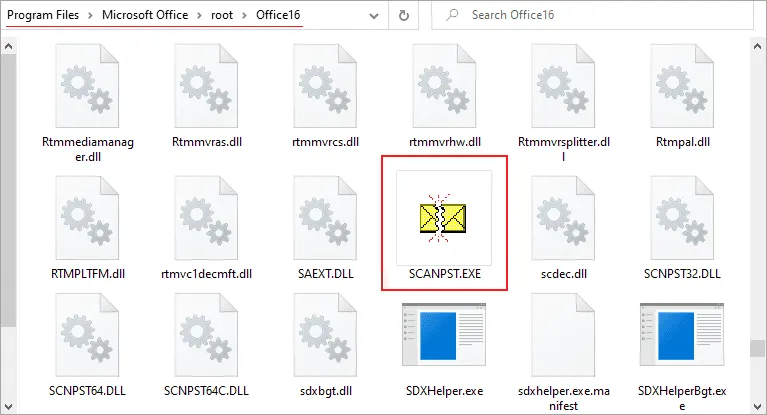
- Step 2: Find the Inbox Repair Tool
- The location of ScanPST varies by Outlook and Office installation type. Use Microsoft's current Inbox Repair Tool instructions to locate the copy installed with your version rather than relying on one fixed folder path.
- Look for a file named scanpst.exe and double-click on it to open it.
- Step 3: Select the OST file to repair
- In the Inbox Repair Tool, click on the ‘Browse’ button and navigate to the location of your OST file.
- By default, the OST file is located at: C:\Users\username\AppData\Local\Microsoft\Outlook, where ‘username’ is your Windows username.
- Select the OST file and click on ‘Open’
- Step 4: Repair the OST file
- Click on the ‘Start’ button to begin the scanning and repair process.
- The tool analyzes the file for errors and prompts you to repair any errors it finds.
- Click on the ‘Repair’ button to fix the errors.
- After the repair process is complete, open Outlook and see if the error message has been resolved.
ScanPST is a built-in utility in Microsoft Outlook that can be used to repair corrupted PST and OST files. However, there are some limitations to using ScanPST for repairing Outlook OST files:
- Limited Repair Capabilities: ScanPST is designed to repair only minor issues with the OST file. It may not be able to fix severe or complex corruption in the OST file, and in some cases, may even cause data loss. Also note that if the data file is corrupted, you cannot directly open an OST file in Outlook.
- Data Loss Risk: When repairing an OST file with ScanPST, there is a risk of data loss. The tool may delete some of your data during the repair process, and it is important to create a backup of your OST file before using ScanPST to repair it.
- Slow Performance: ScanPST can be slow when repairing oversized Outlook data files. The process can take a long time, and if the OST file is severely corrupted, the tool may not be able to fix it.
- Step 1: Close Outlook
- Method 3: Restart and Open Outlook in Safe Mode (Add-in Troubleshooting)
This step is worth trying if Methods 1 and 2 didn't resolve things and you suspect an add-in is involved, rather than as a first response to the error itself. When faulty or incompatible add-ins interfere with Outlook's operation, the application may hang or crash, which can look similar to a data-file error. In this case, it is worth disabling or removing the problematic add-in. When Outlook cannot connect to the server, simply restarting the application can help fix Outlook errors due to network issues.
- Step 1: Close Outlook and all related processes
- Close Outlook if it's open.
- Restart your computer to clear any temporary files or processes that might be causing the error.
- Step 2: Open Outlook in Safe Mode
- Press and hold the ‘Ctrl’ key on your keyboard, and then click on the Outlook icon to open it.
- When prompted, click on ‘Yes’ to start Outlook in Safe Mode.
- In Safe Mode, try to access your emails, contacts, or calendar data to see if the error message still appears.
- Step 3: Disable the Outlook Add-ins
- If the error message doesn't appear in Safe Mode, it's likely caused by an add-in.
- Click on the ‘File’ tab in Outlook, and then select ‘Options’
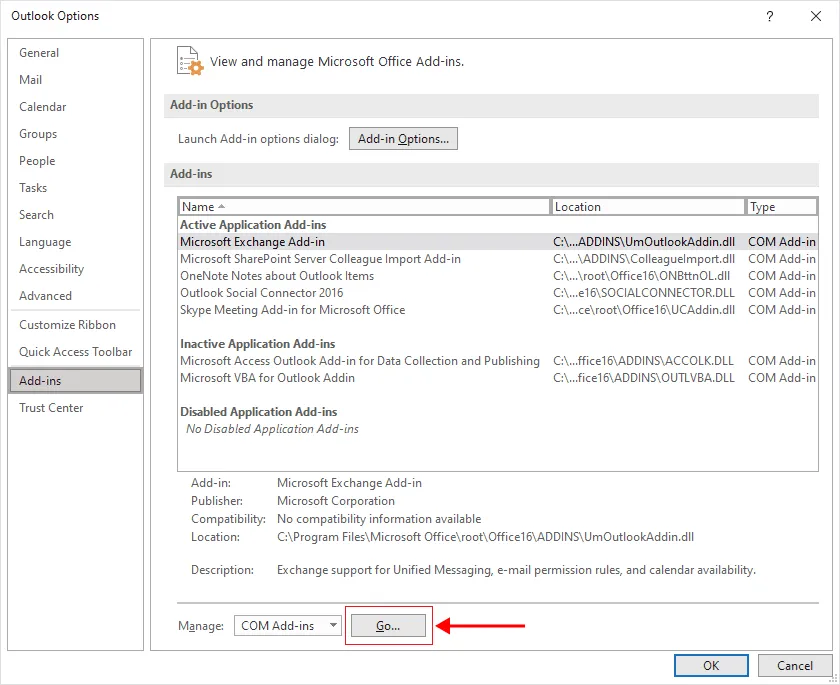
- Click on ‘Add-ins’ in the left-hand pane.
- In the ‘Manage’ box at the bottom of the screen, select ‘COM Add-ins,’ and then click on the ‘Go’ button.
- Clear the check box next to each add-in in the list, and then click on ‘OK’
- Restart Outlook normally and see if the error message has been resolved.
- Step 1: Close Outlook and all related processes
- Method 4: Delete and Recreate the Outlook Profile
If the first two methods don't work, you can try deleting and recreating your Outlook profile. By creating a new profile, Outlook reconfigures the settings and synchronizes the emails with the Exchange server.
- Step 1: Backup your data
- Before deleting your Outlook profile, make sure to back up your data, including your emails, contacts, and calendar data.
- You can export your data to a PST file by clicking on the ‘File’ tab in Outlook, selecting ‘Open & Export’, and then clicking on ‘Import/Export'.
- Step 2: Delete the existing Outlook profile
- Close Outlook and open the Control Panel on your computer.
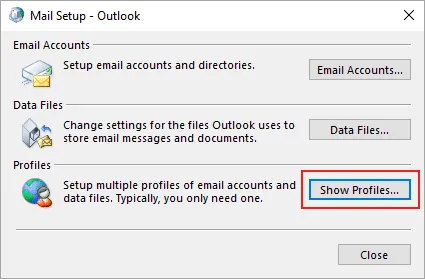
- Select ‘User Accounts’ and then click on ‘Mail (Microsoft Outlook)’
- Click on ‘Show Profiles’ and select the profile you want to delete.
- Click on ‘Remove’ and then confirm that you want to delete the profile.
- Repeat this process for any other Outlook profiles on your computer.
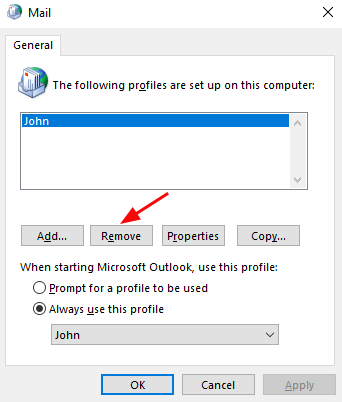
- Step 3: Create a new Outlook profile
- Open the Control Panel in your computer
- Click on ‘Mail (Microsoft Outlook)’ and then click on ‘Add’ to create a new profile.
- Enter a name for the profile and click on ‘OK’
- Follow the prompts to configure the profile with your email account information.
- After the profile has been created, open Outlook and see if the error message has been resolved.
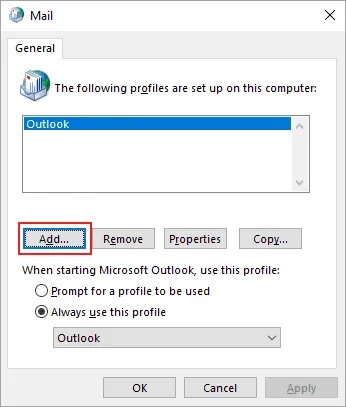
Note: When you create a new Outlook profile, you need to reconfigure your email account settings and set up the account from scratch. Any data that is not synced with the email server or stored locally in the OST file may be lost. In such cases, convert OST file to PST format with EdbMails as described in the following section.
- Step 1: Backup your data
- Method 5: Recover Data from the Old OST with EdbMails
EdbMails OST to PST Converter is the right tool specifically when the old OST file itself is the recovery source you need, for example, the original mailbox or server no longer exists, the profile relationship is broken, or the OST may hold local-only content you want to inspect before letting anything rebuild over it. It scans, previews, and recovers readable mailbox data from the file, and can do this without Outlook or the original Exchange profile. Outlook with a configured profile is required only if you export the recovered data to PST; migrating it directly to Microsoft 365 or Exchange does not require Outlook.
Here are the steps to fix the Outlook OST errors with EdbMails:
-
Step 1: Download EdbMails OST converter
- Download and install the EdbMails application on any Windows computer to get started.
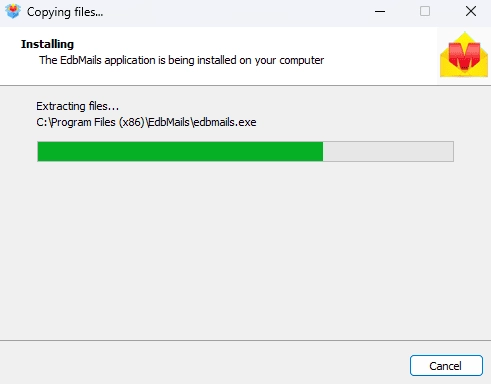
- Start by launching the EdbMails application on your system.
- Enter your email ID and password, then select ‘Login’ to continue. If you haven’t registered yet, click ‘Start Your Free Trial’ to use the trial version. Note: The trial version lets you explore the software and export up to 30 mailbox items per folder. To remove this limitation and unlock full access, you’ll need to purchase a valid license from the official EdbMails website.
Click here to purchase the license from the EdbMails website.
Once the purchase is complete, close the application and reopen it. Log in using the same credentials used during the purchase to activate your license successfully.
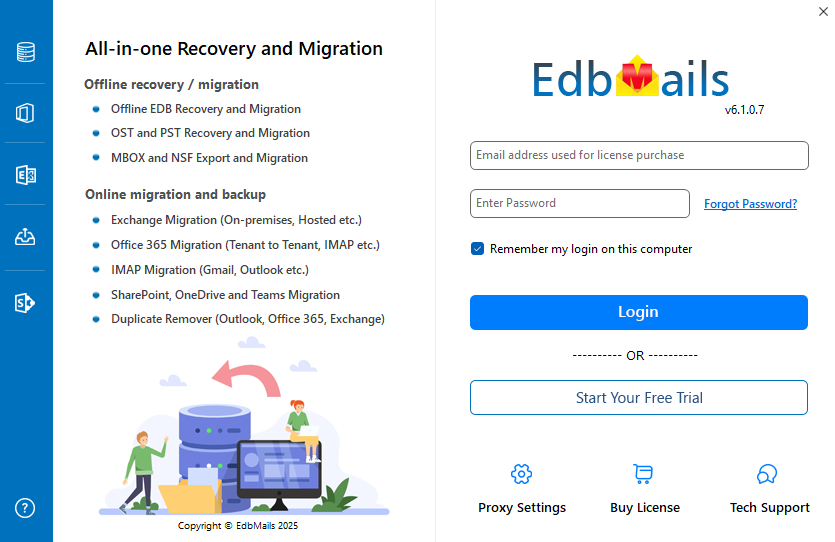
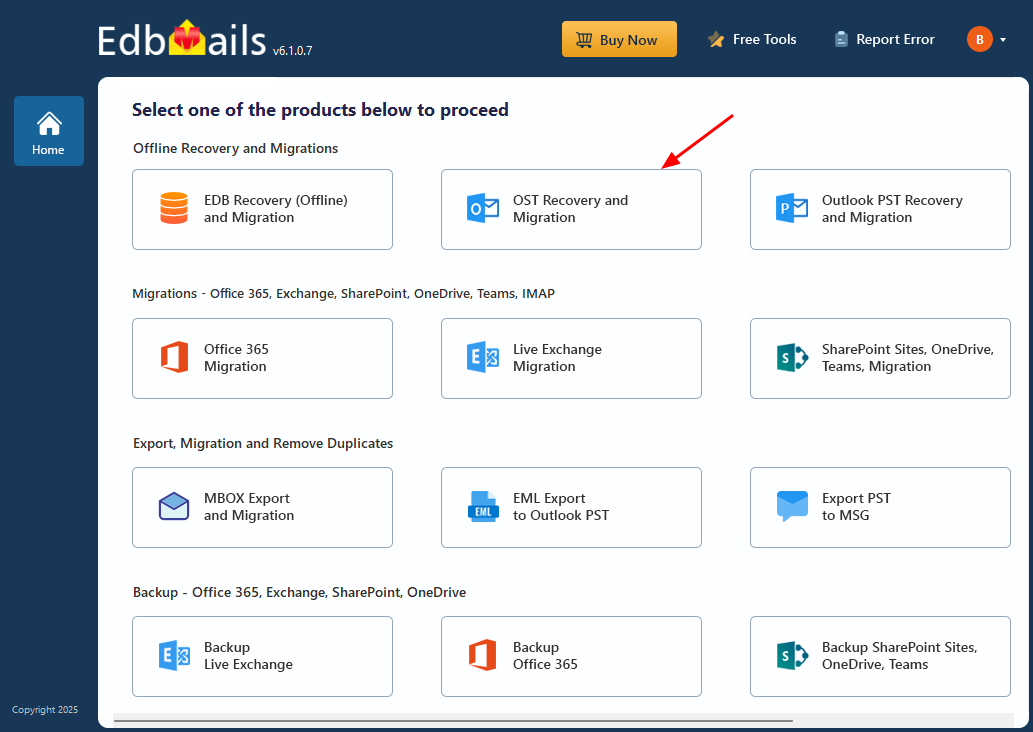
- Select ‘Outlook OST Recovery and Migration’.
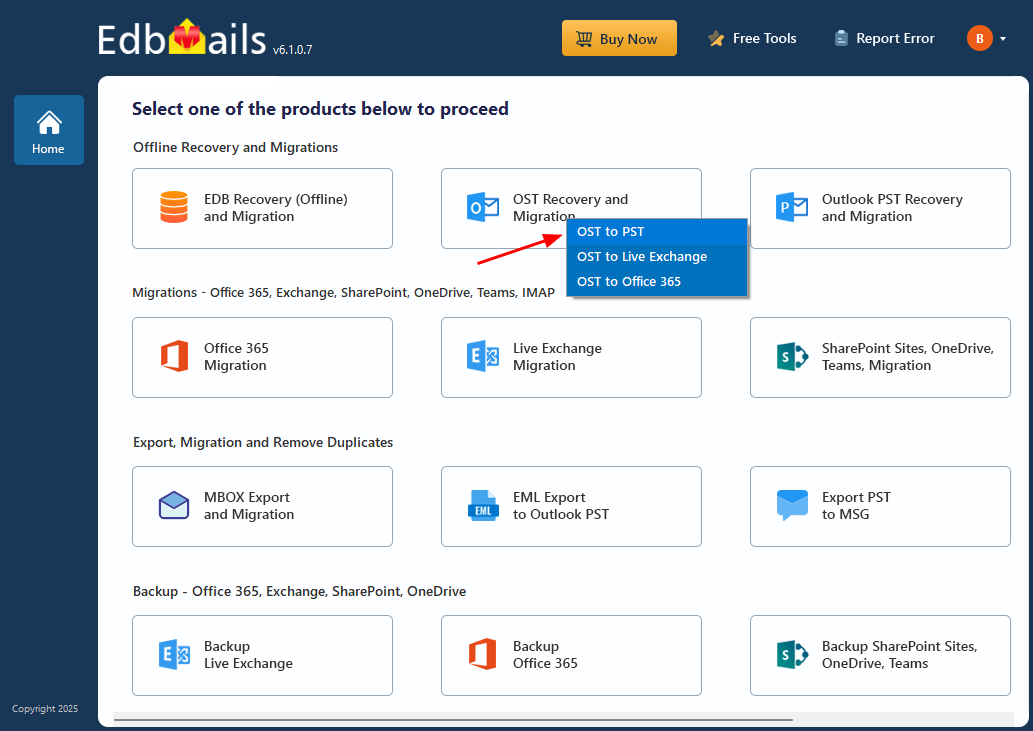
- Select ‘OST to PST’.
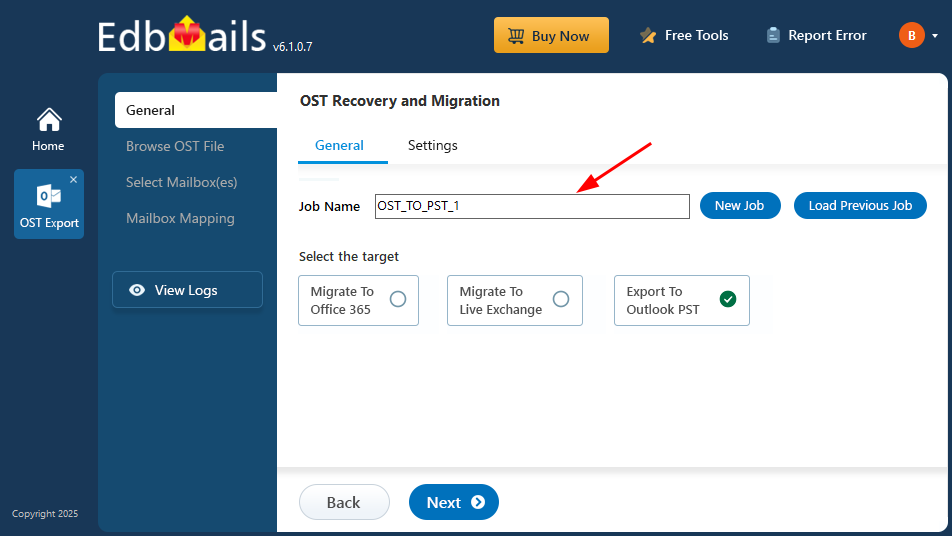
- Keep the default job name as it is, or select the ‘New Job’ option if you want to rename it.
- After that, click ‘Next’ to proceed to the next step.
- Download and install the EdbMails application on any Windows computer to get started.
-
Step 2: Browse the OST file to repair and converter
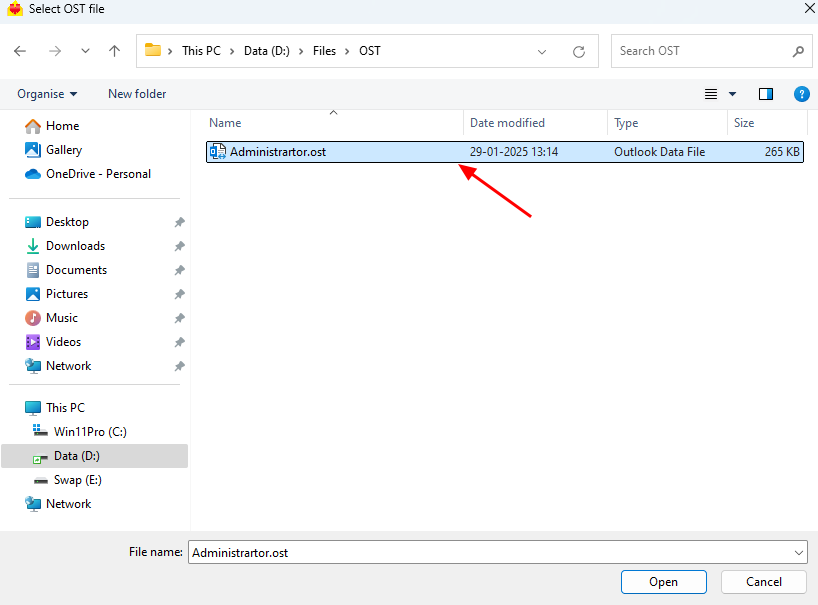
- Click ‘Browse for OST file'.
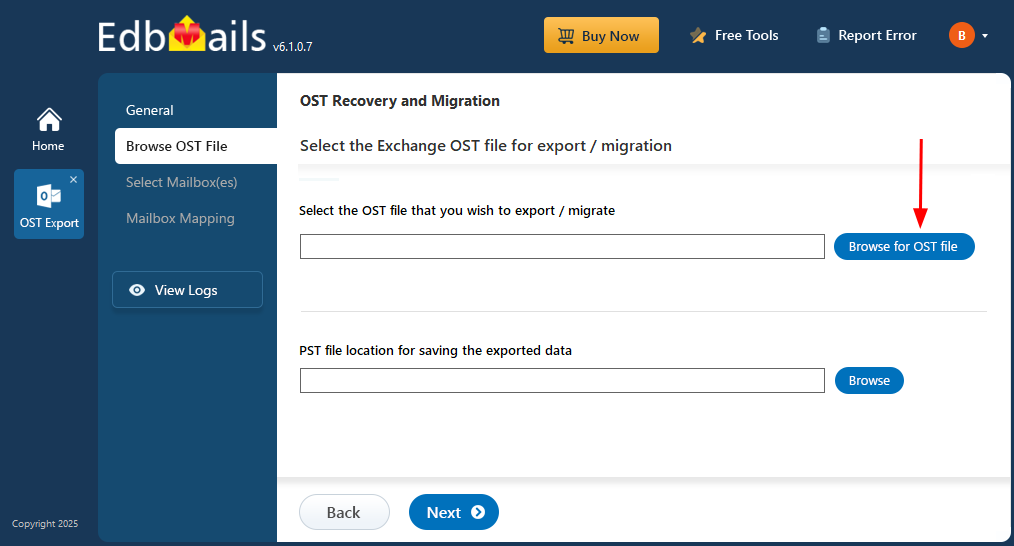
- Locate and choose the OST file you want to repair from your local drive, then click ‘Next’ to continue. If the OST file is stored on a network location, make sure the drive is properly shared and that both read and write permissions are enabled to allow uninterrupted access.
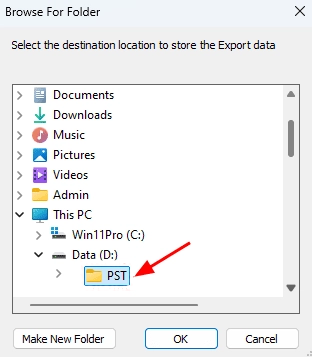
- Click ‘Browse’.
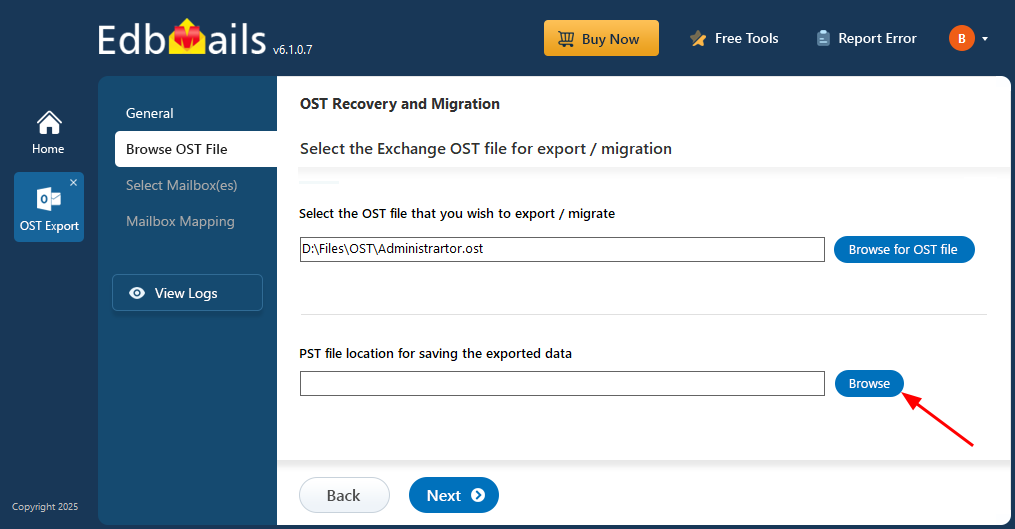
- Select a destination folder to save the exported PST file. Make sure there’s enough free space available on the drive to complete the export.
- Click ‘Browse for OST file'.
-
Step 3: Preview and select the mailbox
- Even if an OST file is damaged, EdbMails can scan it effectively to recover mailbox data. The software examines the file structure and contents to extract emails and additional mailbox information.
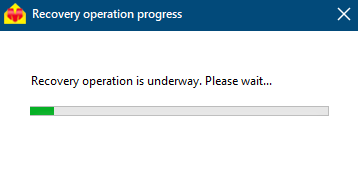
- Once scanning finishes, the application displays the folder hierarchy and mailbox items that remain readable. Expand folders and preview representative items before selecting data for recovery; severe corruption can prevent some content from appearing.
EdbMails OST to PST Converter lets you access and view OST files without requiring Outlook to be installed.
- Choose either the entire OST file or specific folders or subfolders, then click ‘Next’ to continue.
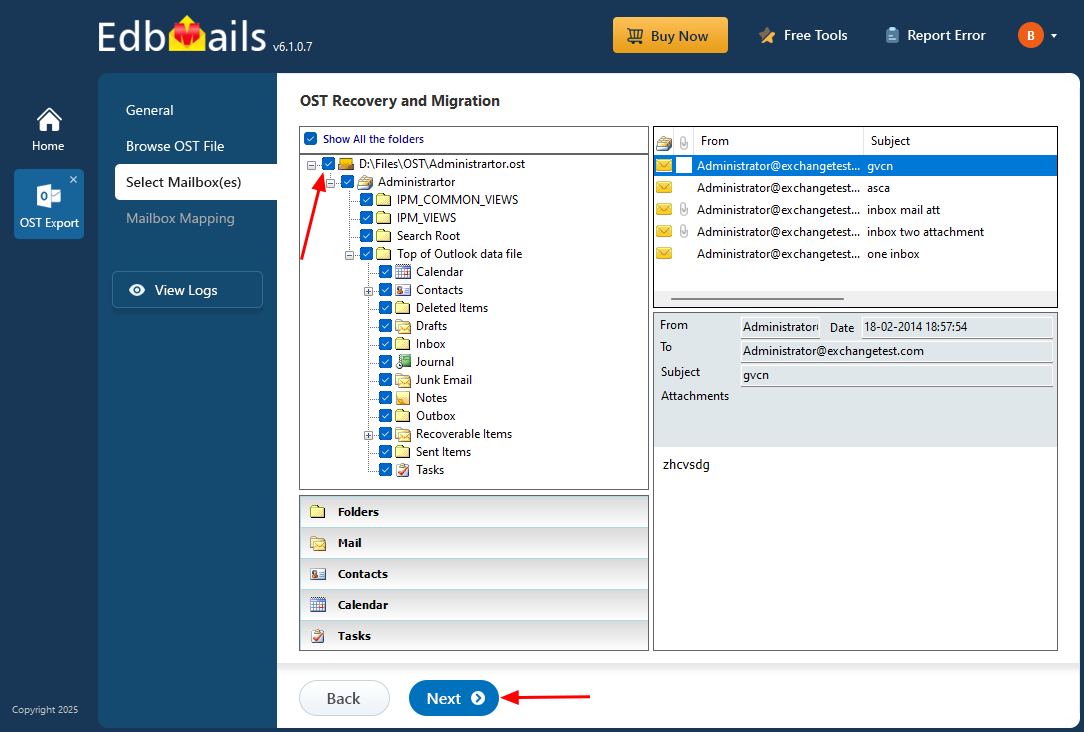
Tip: EdbMails includes advanced filter and folder options that enable you to select mail items based on date, sender, and recipient, as well as select specific folders to export from the OST file.
- Even if an OST file is damaged, EdbMails can scan it effectively to recover mailbox data. The software examines the file structure and contents to extract emails and additional mailbox information.
-
Step 4: Convert the OST file to PST
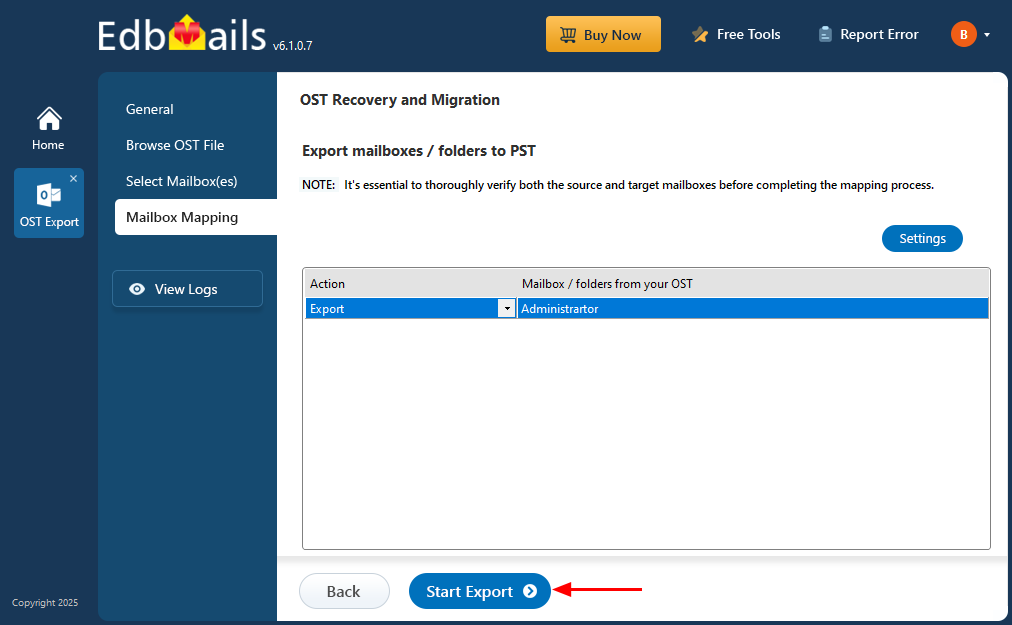
- Verify the mailboxes and folders selected for export operation.
- Make sure the ‘Action’ is set to 'Export', then click the 'Start Export' button.
- EdbMails will begin converting your OST file to PST format, and you can track the progress directly within the software’s interface.
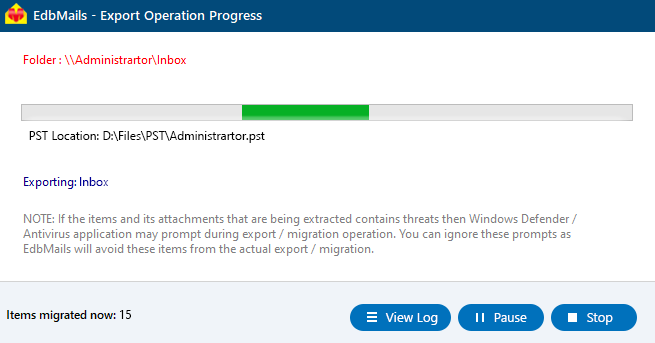
- After the conversion process is complete, you can import the PST file into Outlook and access your data.
-
-
Recovery considerations when the old OST is the source
- Efficient Scanning: EdbMails uses a scanning algorithm to identify errors and corruption in your OST file and recover whatever data remains readable.
- Preview Feature: EdbMails enables you to preview the data in your OST file before converting it to a PST file. This feature helps you to select the folders and items that you want to convert to a Personal Storage Table file. Learn how to backup Exchange mailboxes with the OST file.
- Speed and Performance: EdbMails is designed to handle large OST files without requiring you to split them first.
- Easy-to-use Interface: EdbMails has a user-friendly interface that makes it easy for users to select and convert the OST file to PST, and supports OST conversion across currently supported Outlook versions.
- Multiple Export Options: With EdbMails, you can export the recovered data to multiple formats, including PST, EML, MHT, and HTML. This feature provides you with the flexibility to download Outlook emails to a hard drive.
Summary
The error message ‘Errors have been detected in the OST file’ in Outlook can interrupt your routine and make mailbox access difficult. If the mailbox is healthy, rebuilding the OST from the server (Method 1) is usually the simplest fix. ScanPST, Safe Mode, and creating a new profile are useful secondary steps depending on what's actually wrong. If the old OST itself is orphaned or the only remaining copy of some data, EdbMails OST to PST Converter recovers readable mailbox items while preserving supported folder hierarchy and properties, then converts the data to PST. It also supports direct import of OST files into Office 365 and Exchange.
Frequently Asked Questions
-
What does "Errors have been detected in the OST file" mean?
It means Outlook has found structural corruption in your local OST cache. It's a statement about the local file, not necessarily about your mailbox on the server.
-
Should I delete and recreate the OST?
If the mailbox is healthy and reachable, yes, this is Microsoft's recommended fix. Confirm the mailbox is complete and preserve a copy of the old OST first if it might hold data that never synced to the server.
-
Should I run ScanPST?
ScanPST is a reasonable secondary option when you specifically suspect file-level corruption. It has limited repair capability and its own data-loss risk, so back up the file first, and don't rely on it as the primary fix for this error.
-
What if the server mailbox is unavailable?
Rebuilding won't work if there's nothing on the server to rebuild from. In that case, the old OST is your only recovery source, and EdbMails can scan and recover it independently of the server or original Outlook profile.
-
Will deleting the OST delete server mail?
No. Deleting or renaming the local OST doesn't touch anything on the Exchange or Microsoft 365 server, Outlook simply builds a new local cache and resyncs.
-
What if the OST contains unsynced local data?
That data only exists in the local file. If you delete or rebuild the OST before recovering it, that content is lost. Preserve a copy and scan it with EdbMails before you rebuild if this is a possibility.
-
Can EdbMails recover the old OST without Outlook?
Yes. EdbMails can scan, recover, and preview the OST without Outlook or the original Exchange profile. Outlook is only required if you export the recovered data to PST; direct migration to Microsoft 365 or Exchange doesn't need it.